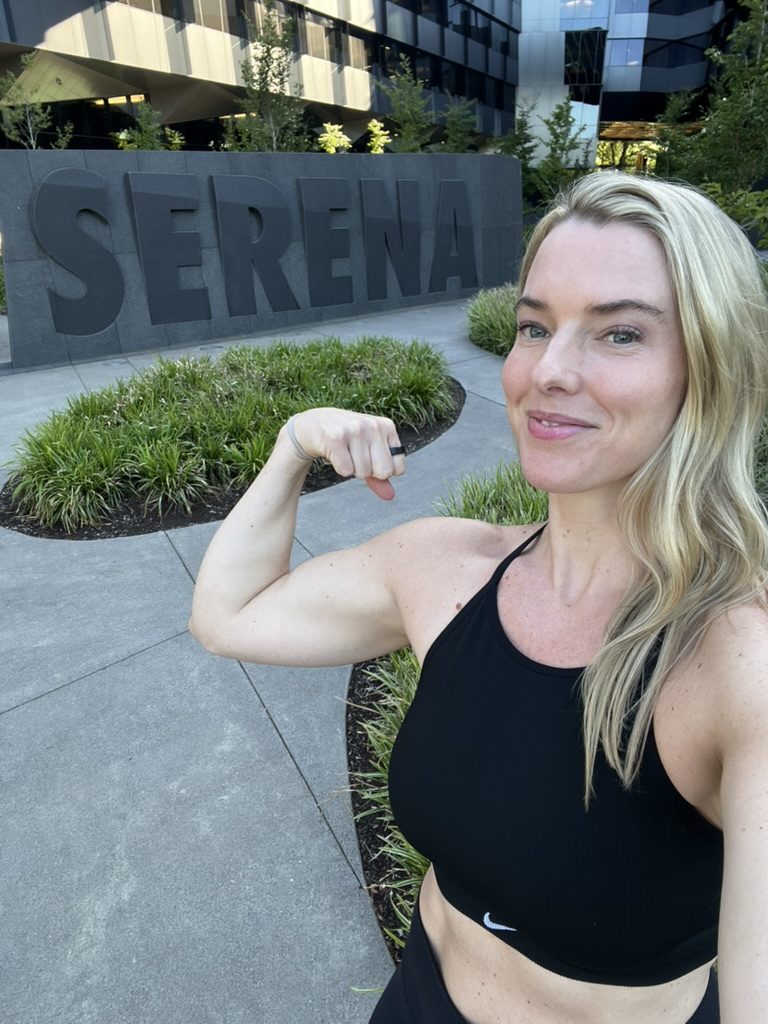
Co-founder of GGS. Coach. Lifter. Author. Hiker.
Believer that strong women lift each other up.
I co-founded Girls Gone Strong in 2011 with six other women who wanted to make the health and fitness industry better for women. Today, GGS is the world leader in evidence-based education for women's health, fitness, nutrition, pregnancy, and menopause — for women and for the professionals who serve them.
Keep reading to learn how we got here, who got us here, and where we're going.
In 2004, I started lifting weights, and I was almost always the only woman in the weight room.
Today, when I walk into gyms, the weight room is filled with women of all shapes, sizes, ages, and ability levels who want to get stronger, gain muscle, run faster, jump higher, build stronger bones, and feel more confident and empowered in their bodies. They're there because they know lifting weights can change their life.
I'd like to think Girls Gone Strong had something to do with that.
But I know it wasn't just us. It was every researcher, clinician, writer, coach, trainer, and educator who decided the fitness industry could do better by women — and got to work to make it happen.
In eighth grade, on a school field trip, the girls I was rooming with started a nasty rumor about me. They told everyone that I'd worn the same pair of underwear twice and started calling me "Two Wear." I was hurt and confused because these girls were supposed to be my friends.
The next morning, a different girl became the target of their bullying. You'd think I'd have some compassion for her given that I was the target the day before and knew how awful it felt. But I was so relieved to no longer be the focus of their bullying that I joined in instead.
That moment taught me something I'd carry for years: only so many girls can be accepted or part of the "in" crowd at once. And to elevate yourself, you have to step on someone else.
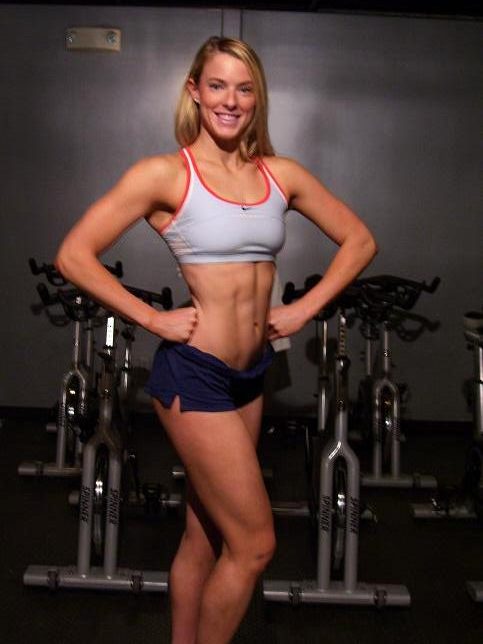
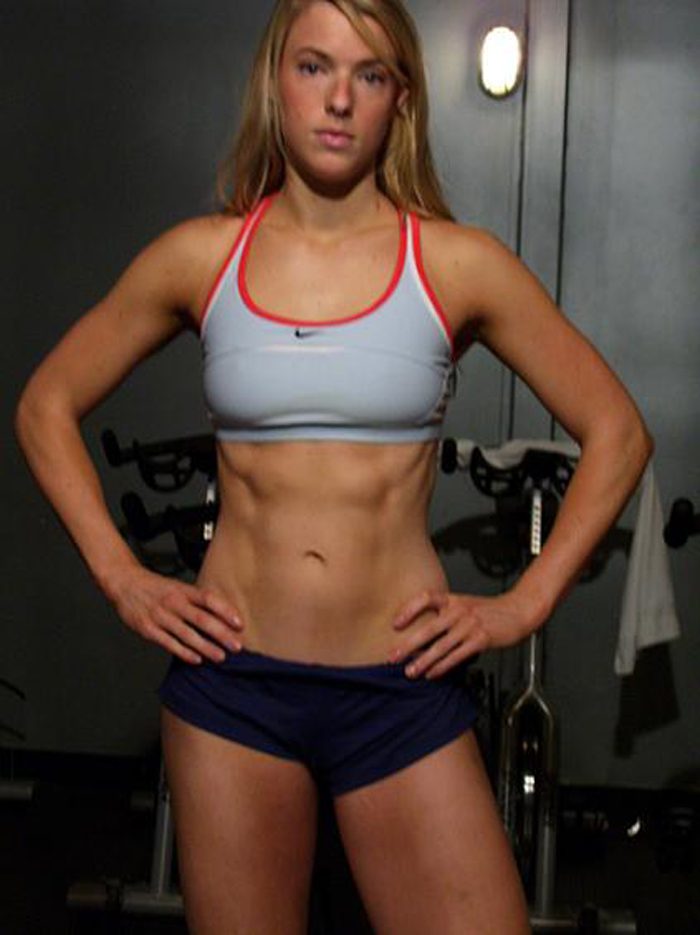
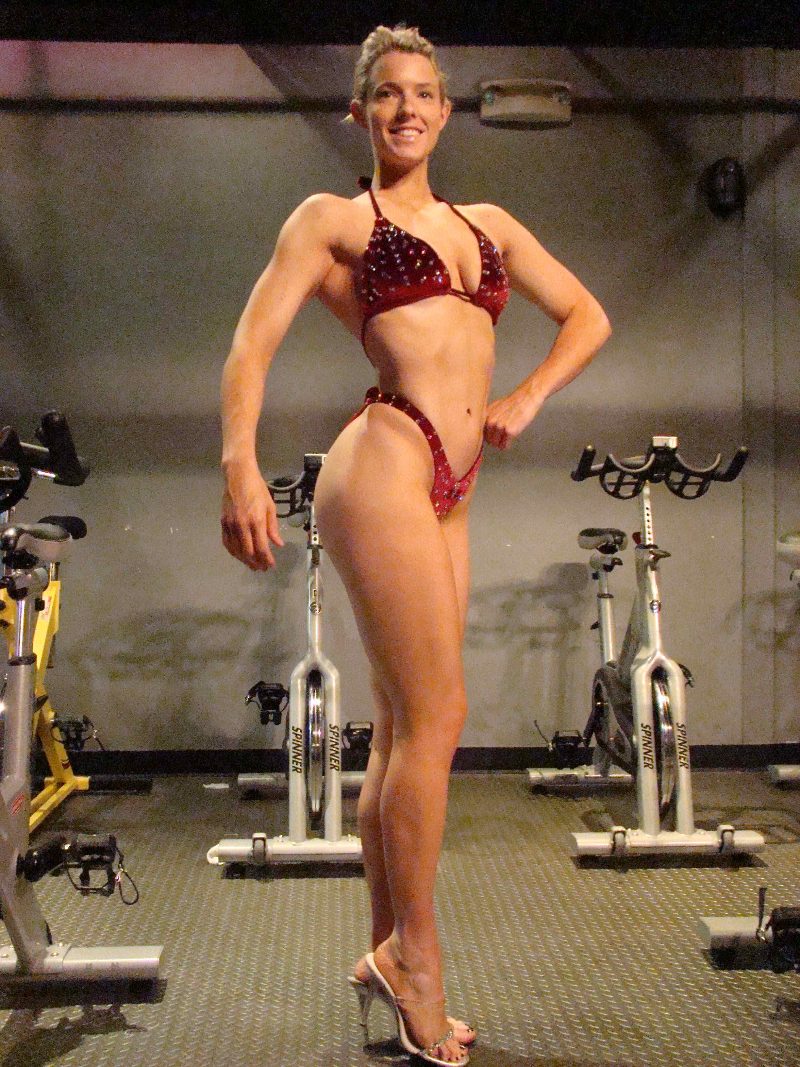
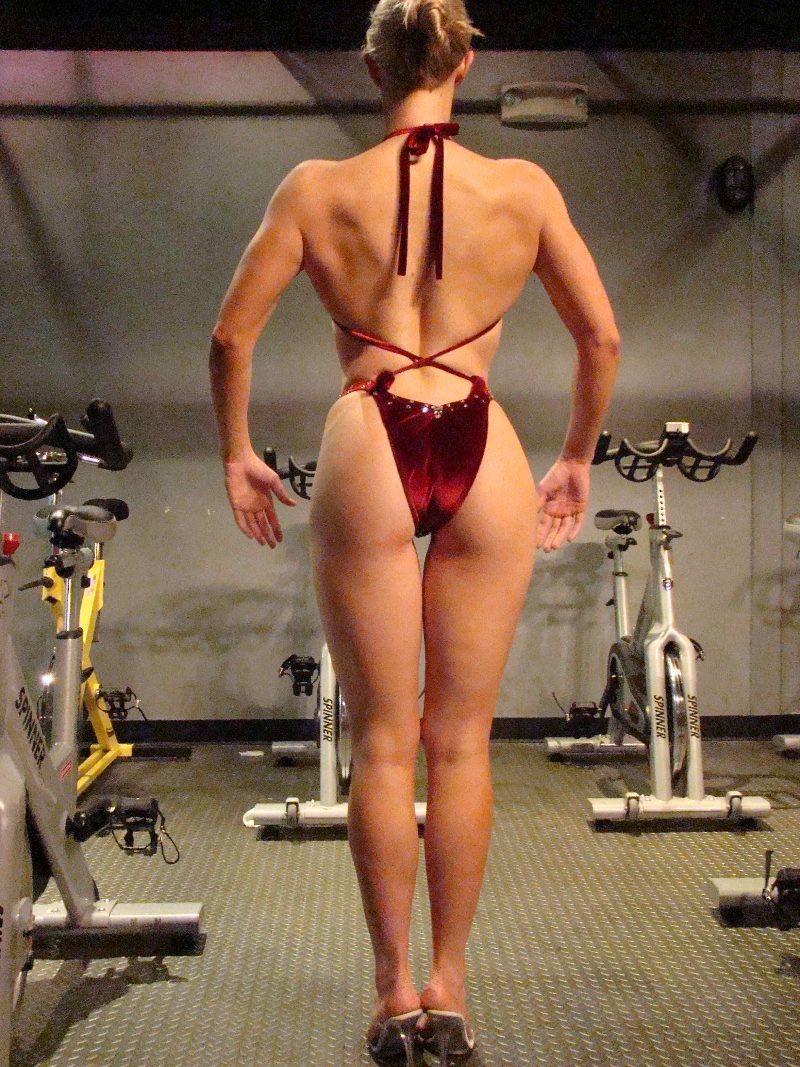
I carried that message with me through college and into my fitness career. I started lifting in 2004, and immediately fell in love with it. Between 2006 and 2008 I competed in figure competitions — standing on stages in tiny bikinis to be graded and ranked against other women and cut if I didn't measure up. While I was getting tons of positive attention for being lean and having the "perfect" body, other women still felt like competition. And in many ways, they literally were.


Then in 2009, after my last figure competition, I crashed. I was diagnosed with Hashimoto's, PCOS, and adrenal issues. I was exhausted and the body I'd built my identity on stopped responding to anything I tried. I gained weight, the praise evaporated, and strangers, friends, and even colleagues were making cruel comments about my changing body.
In 2010, after years of coaching clients in-person and online I co-founded a gym in Lexington, Kentucky. Our primary clientele was women who wanted to get stronger. While I'd trained plenty of women before, I had worked with lots of clients over the years and didn't really have a niche. But around that time something shifted. I'd be coaching a woman in our gym — watching her pick up a weight she didn't think she could lift. And as soon as she did, her whole face would change. She'd jump up and down and celebrate. And she'd look at me and say, "That felt good! Can we add more weight?"
It was then that my deep desire to help women get stronger was ignited.
In 2011, I took that passion for helping women get stronger and co-founded Girls Gone Strong with six other women — including one of my best friends, Jen Comas.
Shortly after, I had the worst year of my life. On January 4th, 2012, my dad died unexpectedly. Two weeks later I injured my back in the gym, kicking off two years of chronic low back pain. And later that year I left a six-year relationship and moved back home with my mom. Needless to say, my focus on nutrition and exercise took a back seat as I tried to heal physically and emotionally. And at a GGS meetup that November, I lay on the floor doing breathing exercises for my back pain while watching my co-founders do weighted pull-ups and heavy deadlifts. Then I went to the bathroom, stepped on the gym scale, and saw I'd gained back almost every pound I'd spent nine years trying to lose.
I broke down crying in the gym bathroom thinking: Who am I to run a company called Girls Gone Strong if I can't even tie my shoes without pain?
A few months later, I hit my breaking point. I'd been working with an online nutrition coach trying lose the weight I'd regained. I sent him weekly bathing suit photos so he could monitor my progress and adjust my nutrition plan. One week he sent my updated plan and I noticed he'd taken away my precious nightly serving of avocado. That was the final straw. I didn't want to live my life sending photos of myself to a man a few states over so he could tell me whether or not I was allowed to have avocado for dinner. I was done with dieting and being obsessed with how my body looked.
Around that time, I came across a phrase I couldn't stop thinking about:
This phrase changed everything. Up until this point I'd thought I'd been lifting women up by helping them lift weights. But I didn't realize I'd still being comparing myself and competing with them the whole time.
From that moment on, I decided that lifting other women up — really lifting them up — would be my mission. In work. In life. In every choice I made.
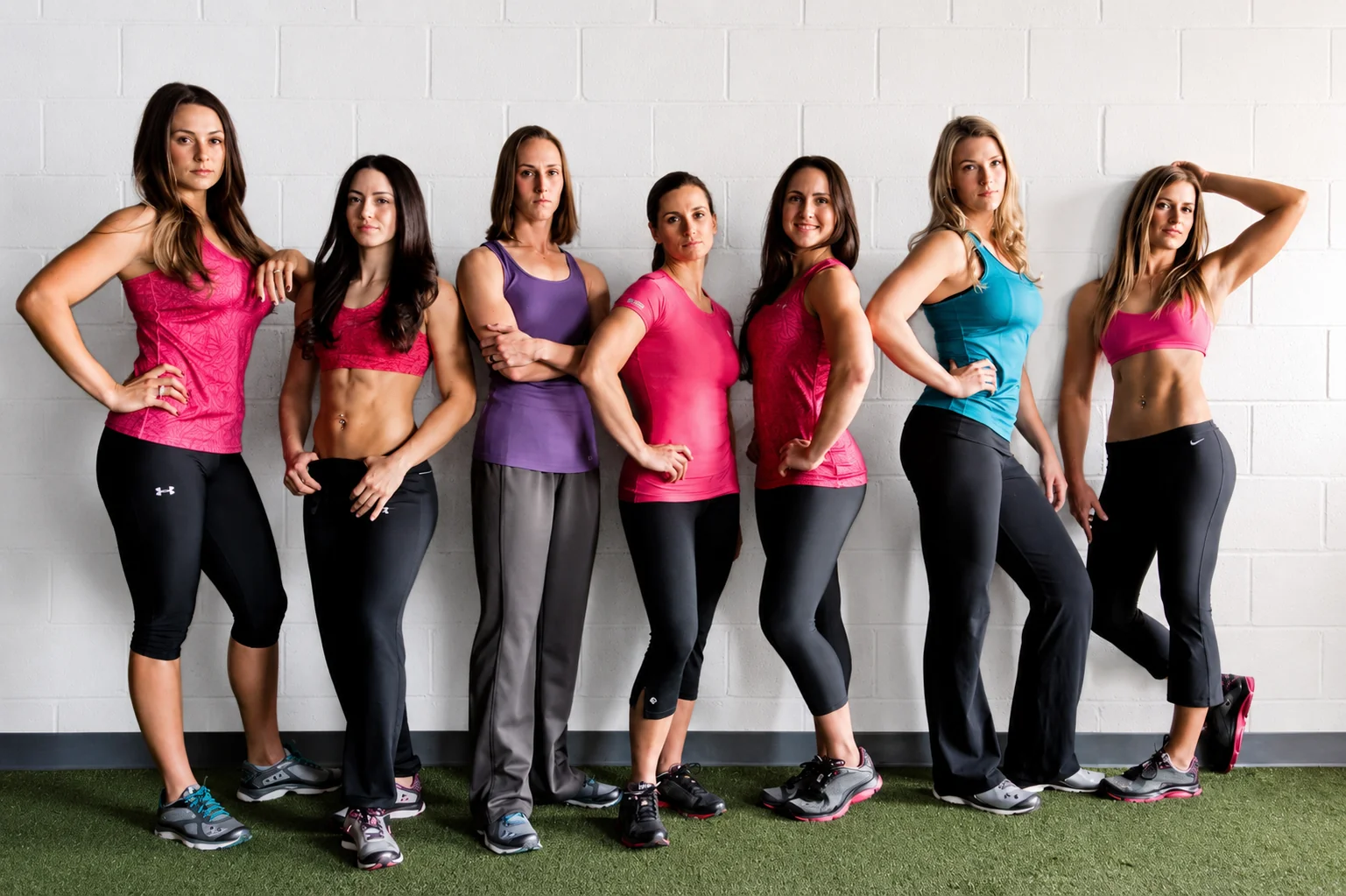
In 2011, seven women got together to support one of our colleagues at her powerlifting meet in Cincinnati, Ohio. Some of us knew each other well, some not at all — but we were all coaches, passionate about helping women get stronger — physically, mentally, and emotionally. And we all saw an opportunity for the fitness industry to serve women better. So we started Girls Gone Strong.
GGS started as the first legitimate women's strength and conditioning page on Facebook in 2011. It was designed by women, for women. Shortly after, we started our blog and our community. And a movement was born.
Jen Comas is one of the original co-founders, and today she leads our GGS Coaching Program. The rest of the founding members have gone on to other things — all still empowering women in their own unique ways.
What started as a Facebook page is now the world's leading evidence-based education company for women's health, fitness, nutrition, pregnancy, and menopause — for women and the professionals who serve them.
All of this exists because our team believes the same thing: women deserve better — better research, better education, better coaching, better care.
Of these, the two that drive me personally most days are making a difference and integrity. The integrity of the work — every claim, every Certification, every piece of content — has always been non-negotiable.
In 2014, I met Melissa Urban — Whole30 co-founder, six-time New York Times bestselling author — at a fitness conference. She was the headliner. She came to my talk and sat in the front row, taking notes.
A year later, Melissa was going through a brutal divorce and business split she hadn't gone public with yet. I texted her. She mentioned things were harder than they looked. I asked for her address.
I sent her cupcakes. Carrot cake. Gluten-free. Cream cheese frosting.
They arrived looking — as Melissa later put it — "like a train wreck."
She ate every smashed, frosting-smeared one. In 2021, she wrote the foreword for my book. About those cupcakes, she wrote:
It wasn't about the cupcakes. It was about what they represented in that moment: I'm here for you. I'll show up for you. I've got you. Melissa Urban — foreword, 2021
That's all this is, really. Showing up. Not because we're best friends. Not because we'll get something in return. But because that's what you do when you notice a woman could use a hand.
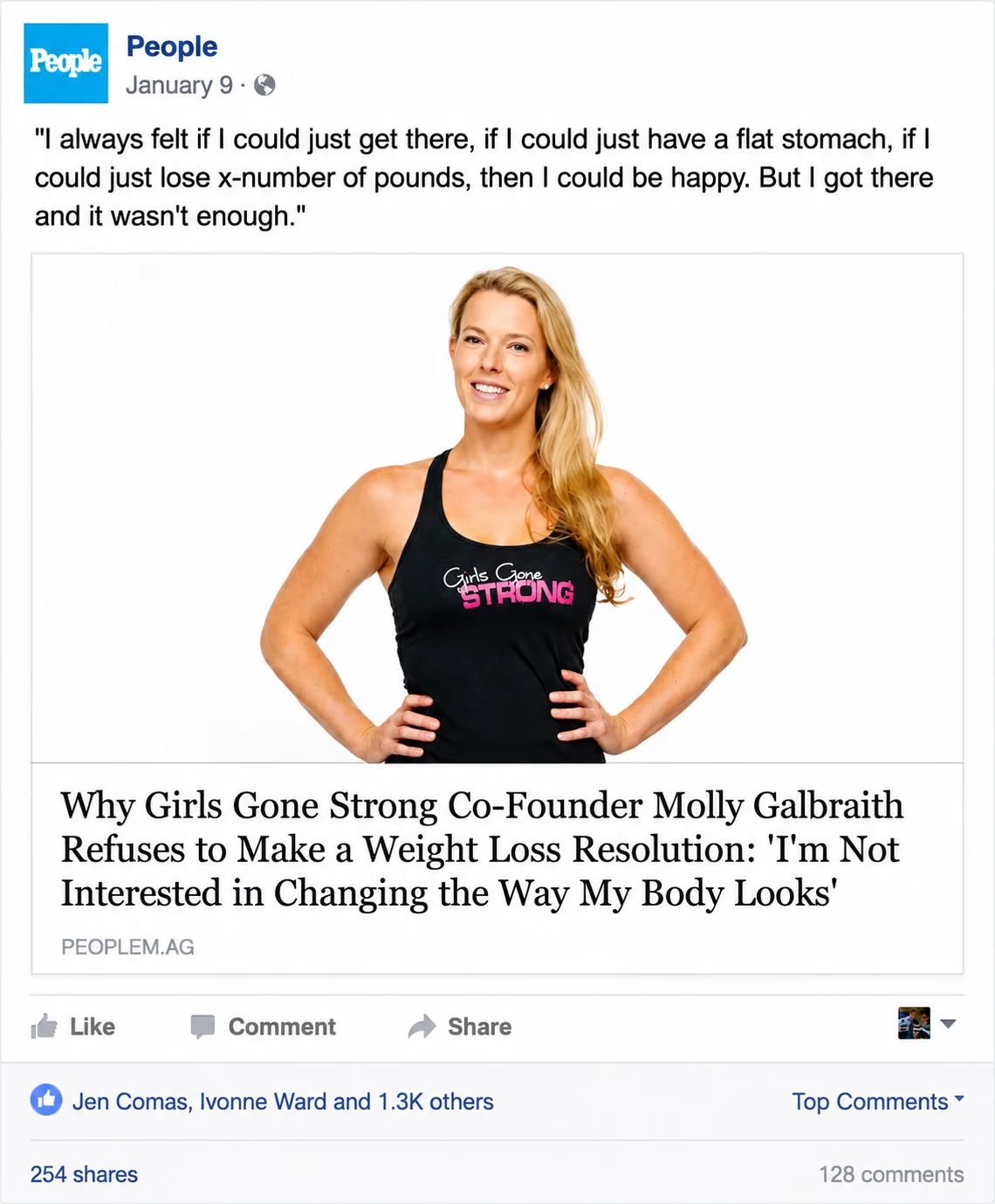
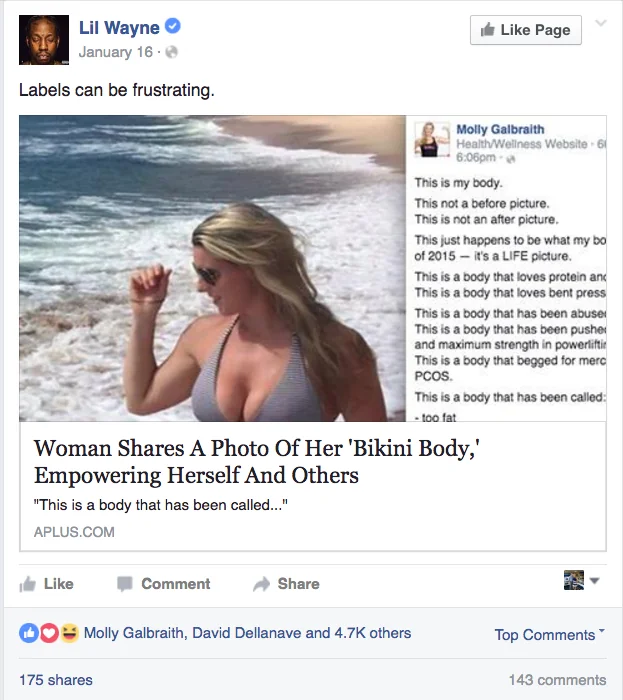
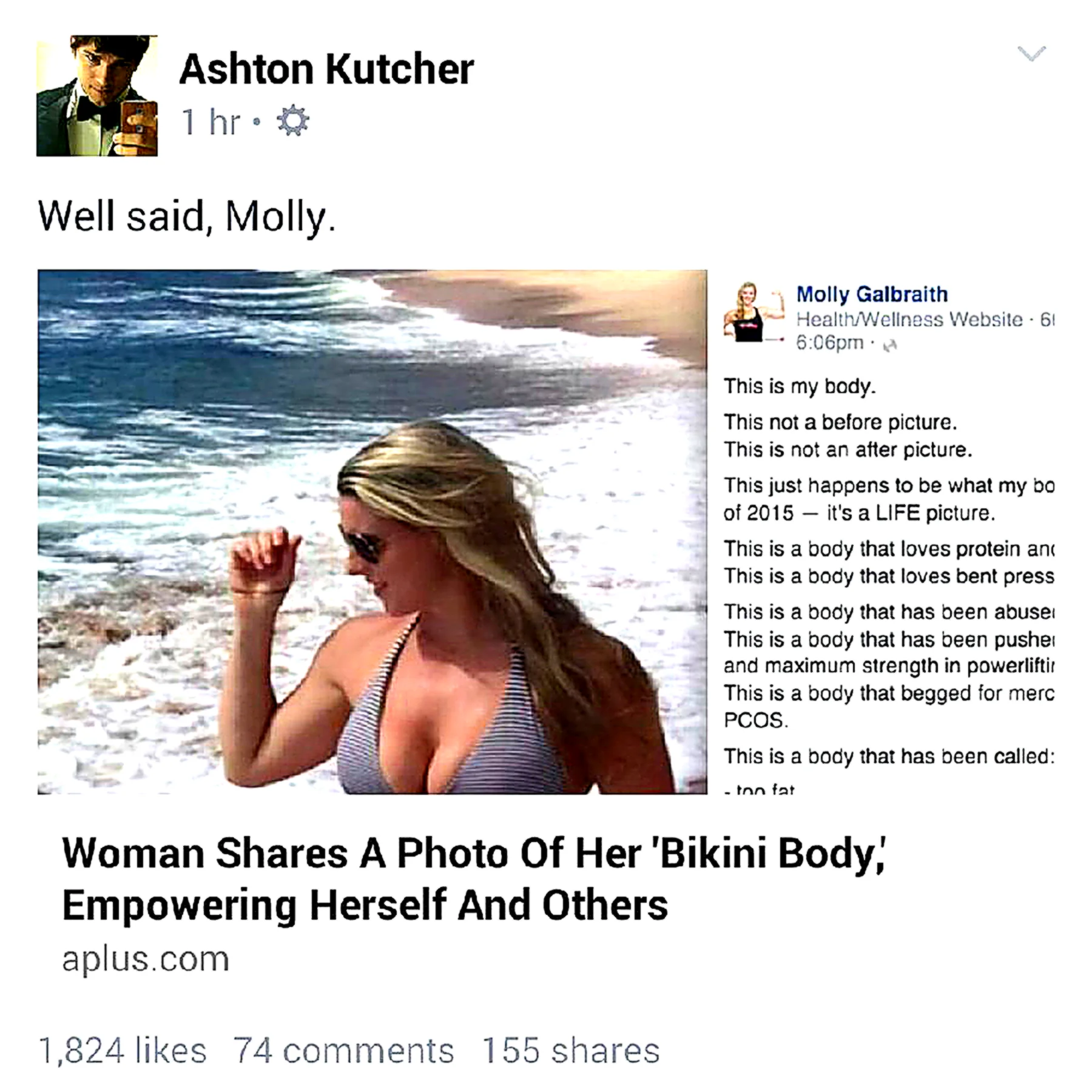
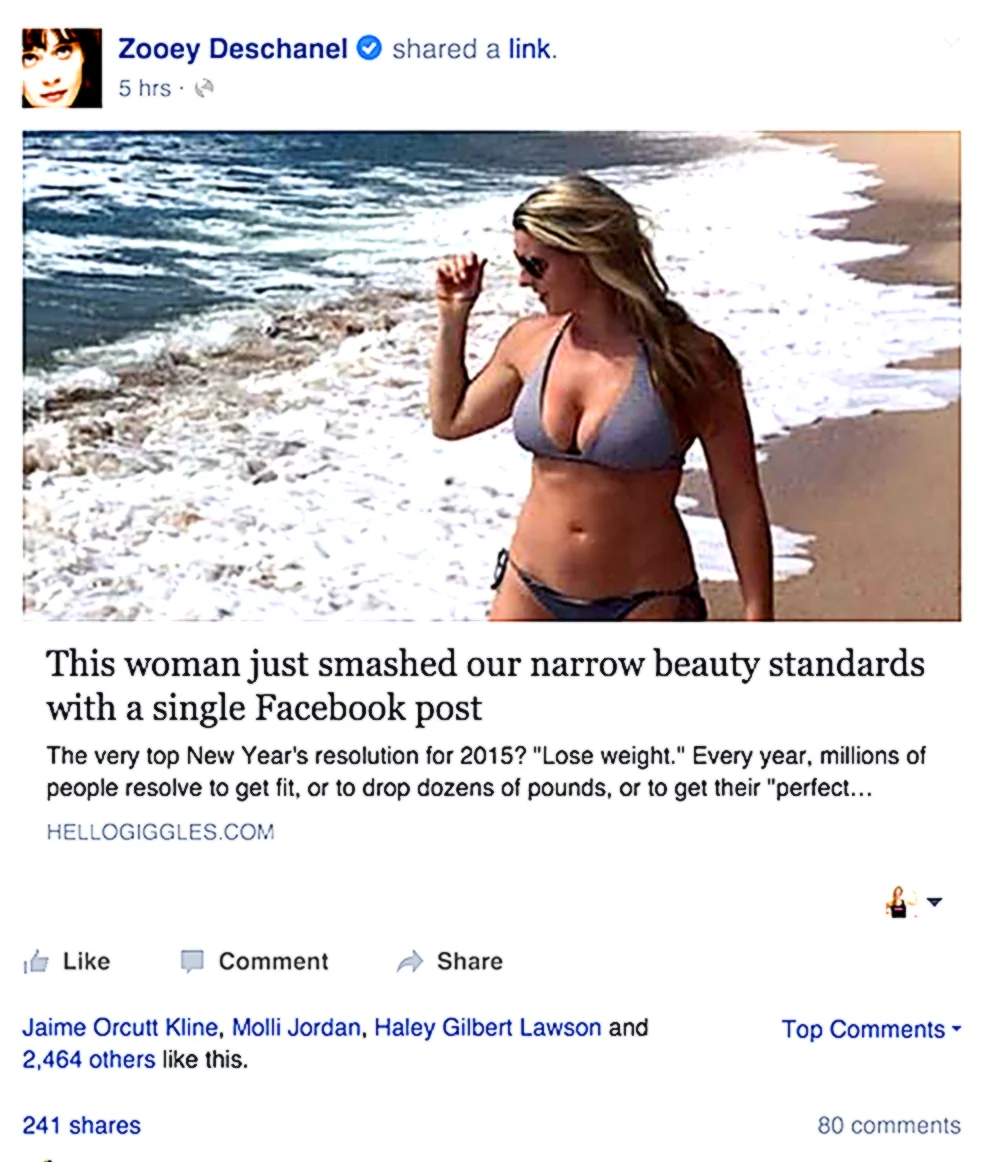
In 2016, a New Year's Day post on body acceptance went viral — reshared by Lil Wayne, Ashton Kutcher, Zooey Deschanel, and George Takei, and picked up by major outlets across the country.
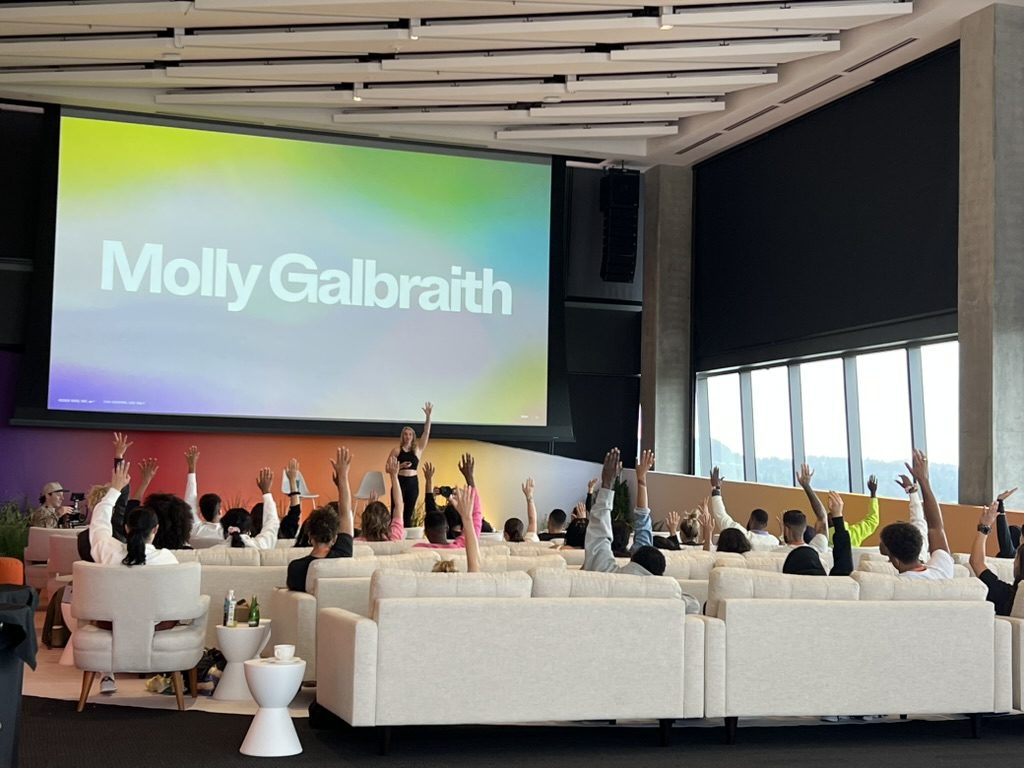
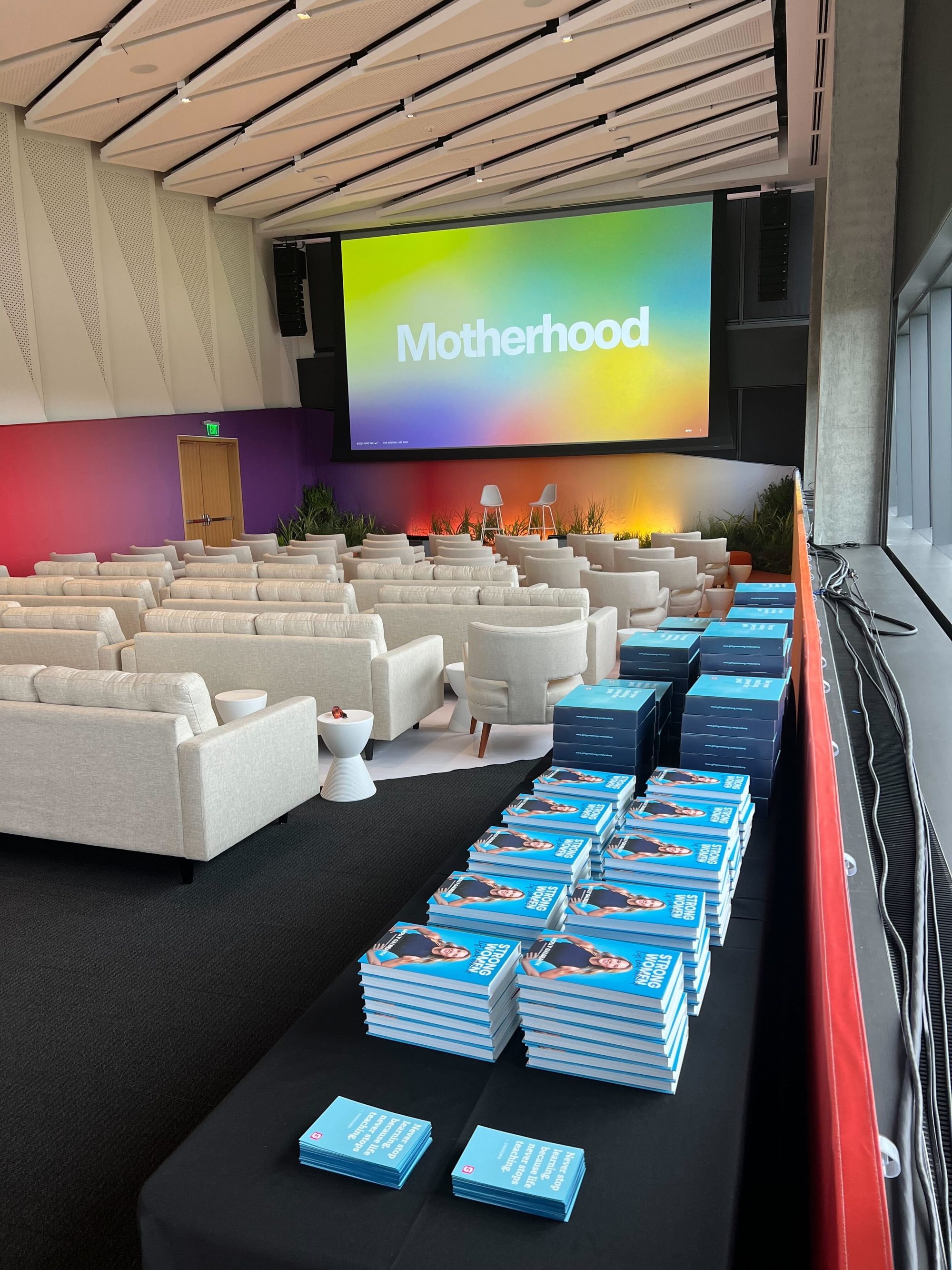
In 2023, Nike invited me to their Portland headquarters to educate and help certify their global trainers in our Pre- & Postnatal Coaching curriculum.
But the recognition isn't the work.
In 2023, Nike flew me to their world headquarters to educate and help certify their global training team in the Girls Gone Strong Pre- & Postnatal Coaching curriculum.
In 2016, a New Year's Day post on body acceptance went viral. It got picked up by major outlets — and reshared by some unexpected places.
"This is my body. It's the only body I have and the only one I'm going to get. I refuse to hate it any longer."
"Labels can be frustrating. Until you finally let them all go and embrace YOU."
Ashton Kutcher shared the post to his audience of millions with a three-word endorsement.
"This woman just smashed our narrow beauty standards with a single Facebook post."
It's easy for the world to put a single name on top of a movement. But none of what GGS has built happens without every person on this team:
The researchers studying women through pregnancy, postpartum, perimenopause, and menopause. The clinicians and pelvic health physios working with women in gyms and clinics and hospitals. The strength coaches, registered dietitians, OB/GYNs, psychologists, doulas, and midwives who shape every Certification and piece of curriculum we publish. The writers and editors and designers who turn complex science into something practical and coachable. The proofreaders, the printers, and the fulfillment team who make sure our students and clients receive their beautiful packages. The Client Care team who helps every community member feel helped and cared for.
These are the people who actually build this work. Twenty-seven trailblazing women across twelve fields of women's health, plus the dozens behind the scenes who keep it running.
When women feel strong, confident, and empowered in their lives and bodies — and the coaches who serve them feel equipped to help — that's because of all of them. Not just me.
We are better together.
My mother and grandmothers were teachers, advocates, and volunteers. They had college degrees at a time when many women didn't. And they lived their lives committed to making the world better for the people around them.
Among the first in Kentucky to care for AIDS patients in the '80s, when almost no one would. Left the Catholic Church when her concerns about child abuse were dismissed. Volunteered weekly at a center for unhoused men. Carried the Olympic torch in 1996 in recognition of her decades of volunteer work.
Marched with Martin Luther King Jr. Wrote her representatives about human trafficking in the '90s, before most people were talking about it. Started a center providing education, health, nutrition, and social services for low-income pregnant women and young families.
Went back to law school as a single mom of three girls. Housed Salvadoran refugees seeking political asylum. Served as president of the Rape Crisis Center. Led Take Back the Night marches. Still serves on the board of Planned Parenthood.
None of them used the phrase "strong women lift each other up." But that was the life they lived. Long before I had the words for it, they showed me what it looked like.
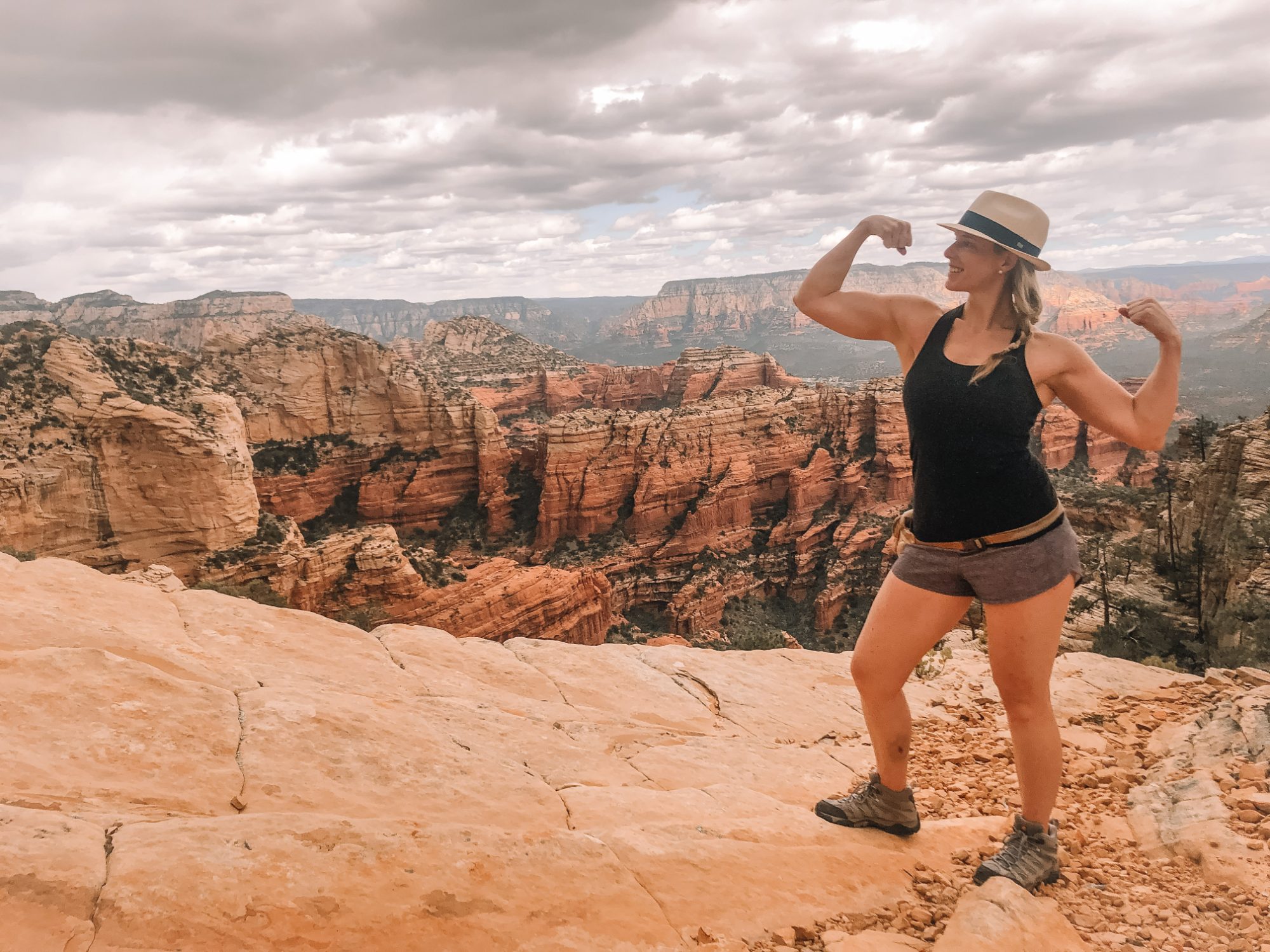
For most of my life, I described myself as indoorsy. I'd take a TV screen and a couch over a trail any day.
Then I started spending real time in the mountains, and it changed me. It calmed my nervous system and fed my soul.
Now I split my time between Arizona and Kentucky and try to be outside as much as possible. Hiking changed me, and I need mountains in my life now, all the time.
When I'm not working, I'm probably on a trail somewhere. Or lifting (still). Or reading. Or being grateful that the same body I spent twenty years fighting now gets to carry me up mountains.
Molly Galbraith is the co-founder of Girls Gone Strong, the world's leading evidence-based education company for women's health and fitness. Founded in 2011, GGS has reached 2 million+ people across 125+ countries. Molly is the author of Strong Women Lift Each Other Up (Harper Horizon, 2021).
Molly Galbraith, CSCS, is the co-founder of Girls Gone Strong (GGS), the world's leading evidence-based education company for women's health, fitness, nutrition, pregnancy, and menopause — and for the professionals who serve them. Founded in 2011 with six other women, GGS has grown into a global movement of 2 million+ people across 125+ countries, with 40,000+ students enrolled in its certifications.
GGS has been recognized by Yale, Nike, the Olympics, Johns Hopkins, Harper Horizon, and Whole30. Its certification programs include the world's first comprehensive, evidence-based pre- and postnatal coaching certification (2017), the Women's Coaching Specialist Certification (2018), and the Menopause Coaching Specialist Certification (2023).
Molly is the author of Strong Women Lift Each Other Up (Harper Horizon, 2021). She lives between Arizona and Kentucky.
Molly Galbraith, CSCS, is the co-founder of Girls Gone Strong (GGS), the world's leading evidence-based education company for women's health, fitness, nutrition, pregnancy, and menopause — for women and the professionals who serve them.
Molly began coaching in 2005. After being diagnosed with Hashimoto's, PCOS, and adrenal dysfunction in 2009, she co-founded Girls Gone Strong in 2011 with six other women, all passionate about making the fitness industry better for women. What started as the first legitimate women's strength and conditioning Facebook page has grown into a global movement of 2 million+ people across 125+ countries.
GGS has built three industry-defining certifications: the world's first comprehensive, evidence-based, interdisciplinary Pre- & Postnatal Coaching Specialist Certification (2017), the Women's Coaching Specialist Certification (2018) — covering health across a woman's lifespan — and the Menopause Coaching Specialist Certification (2023). Together they've certified over 40,000 students worldwide. The Client Growth Accelerator launches in summer 2026, helping coaches build sustainable practices serving women.
Molly's work and GGS have been recognized by Yale, Nike, the Olympics, Johns Hopkins, Harper Horizon, and Whole30, and featured in TIME, People, the Today show, ABC, MSN, and Fox.
Her book, Strong Women Lift Each Other Up (Harper Horizon, 2021), grew directly from the philosophy at the center of GGS: that when women feel strong, confident, and empowered in their lives and bodies, we can change the world.
Molly lives between Arizona and Kentucky and spends as much time as possible in the mountains.